Hotel in historic heart
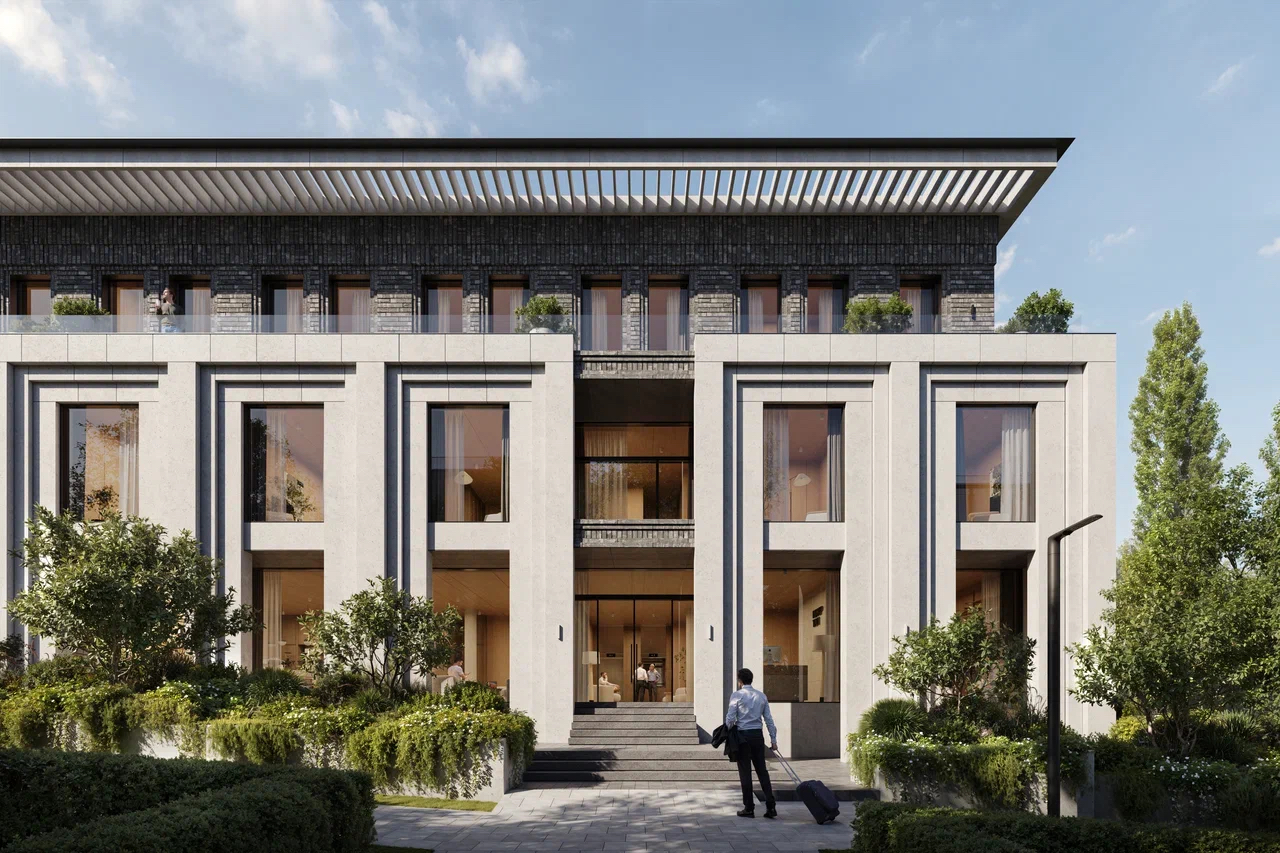
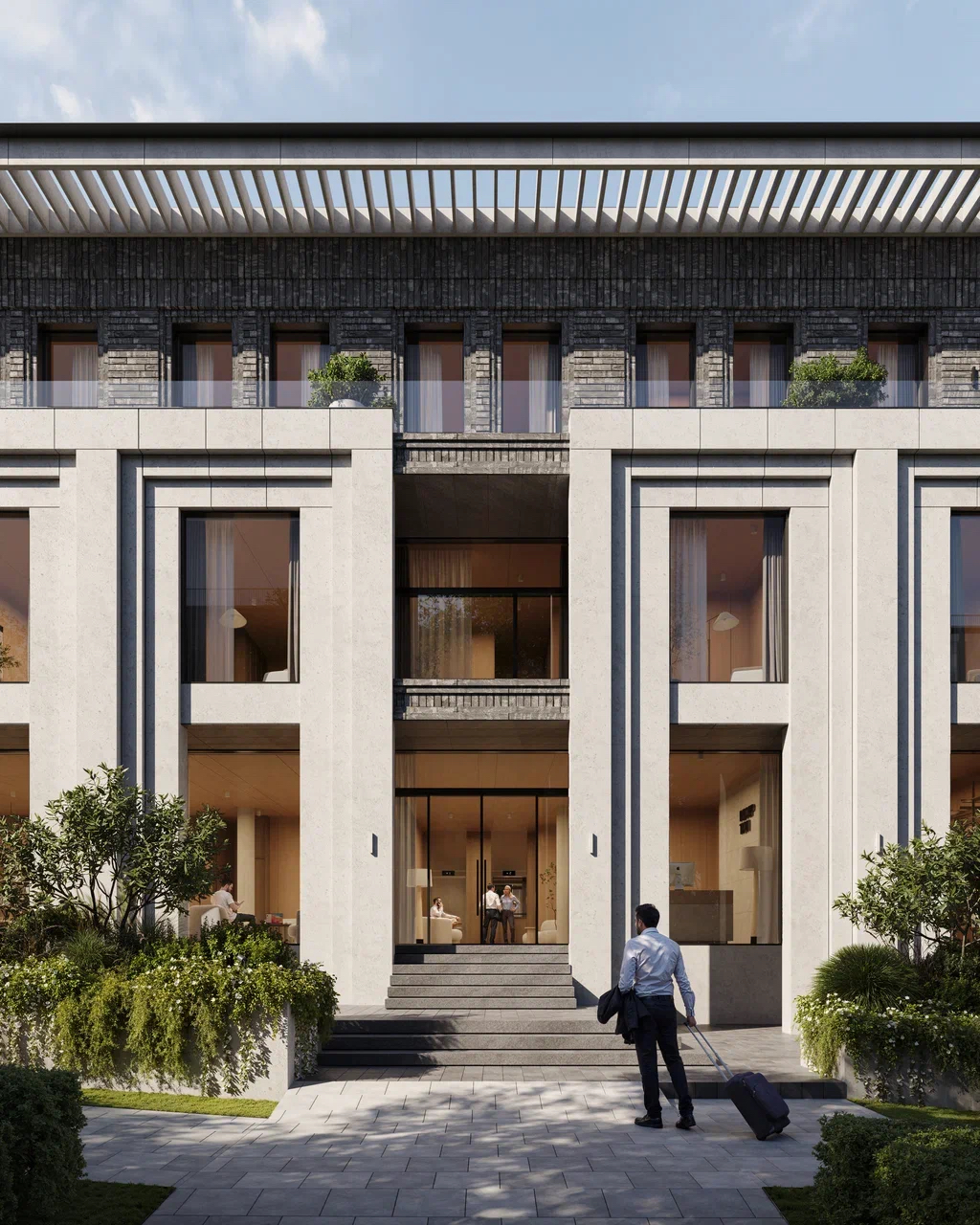
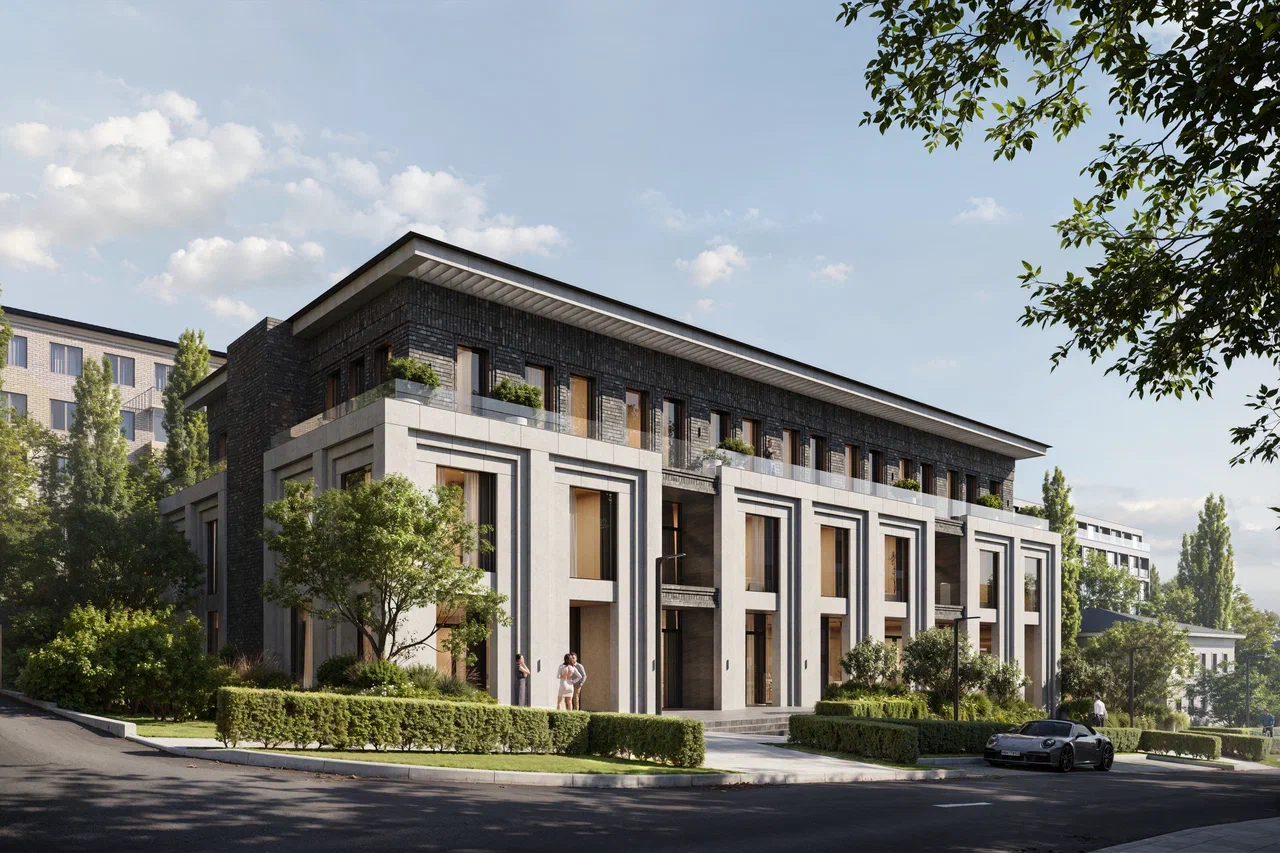
The narrow, elongated shape of the plot inspired a linear composition, with the building stretching along Vadim Sivkov Street. To avoid monotony and visually soften the elongated facade, we rhythmically divided the volume into three distinct parts. Each reads as an individual house, creating a complex and dynamic architectural pattern that resonates with the rhythm of the historic surroundings.
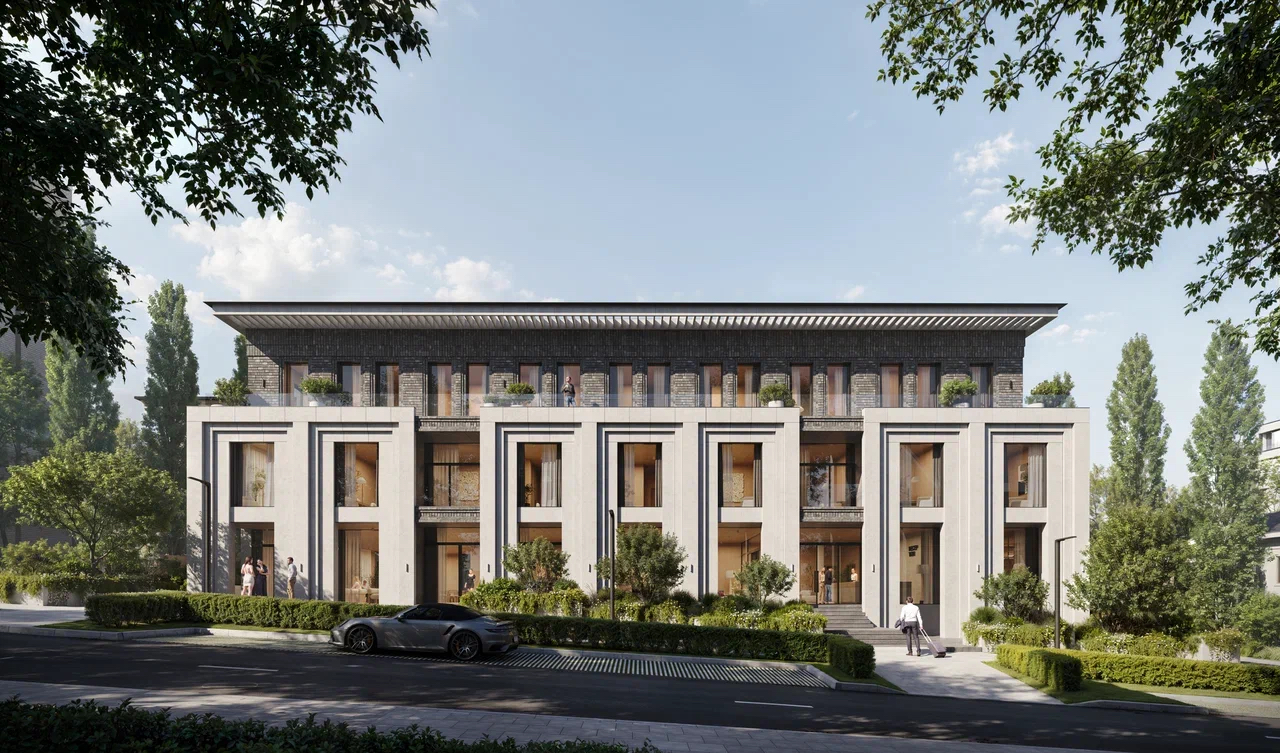
This artistic approach is accentuated by a play of contrasting materials: the warm texture of light dolomite engages in a dialogue with strict, graphic black rigel brick. The facade comes alive with light and shadow, and on the third floor, it steps back to form cozy open terraces for the rooms. This is not merely a detail: it offers guests an opportunity to become part of the urban environment without leaving their private space.
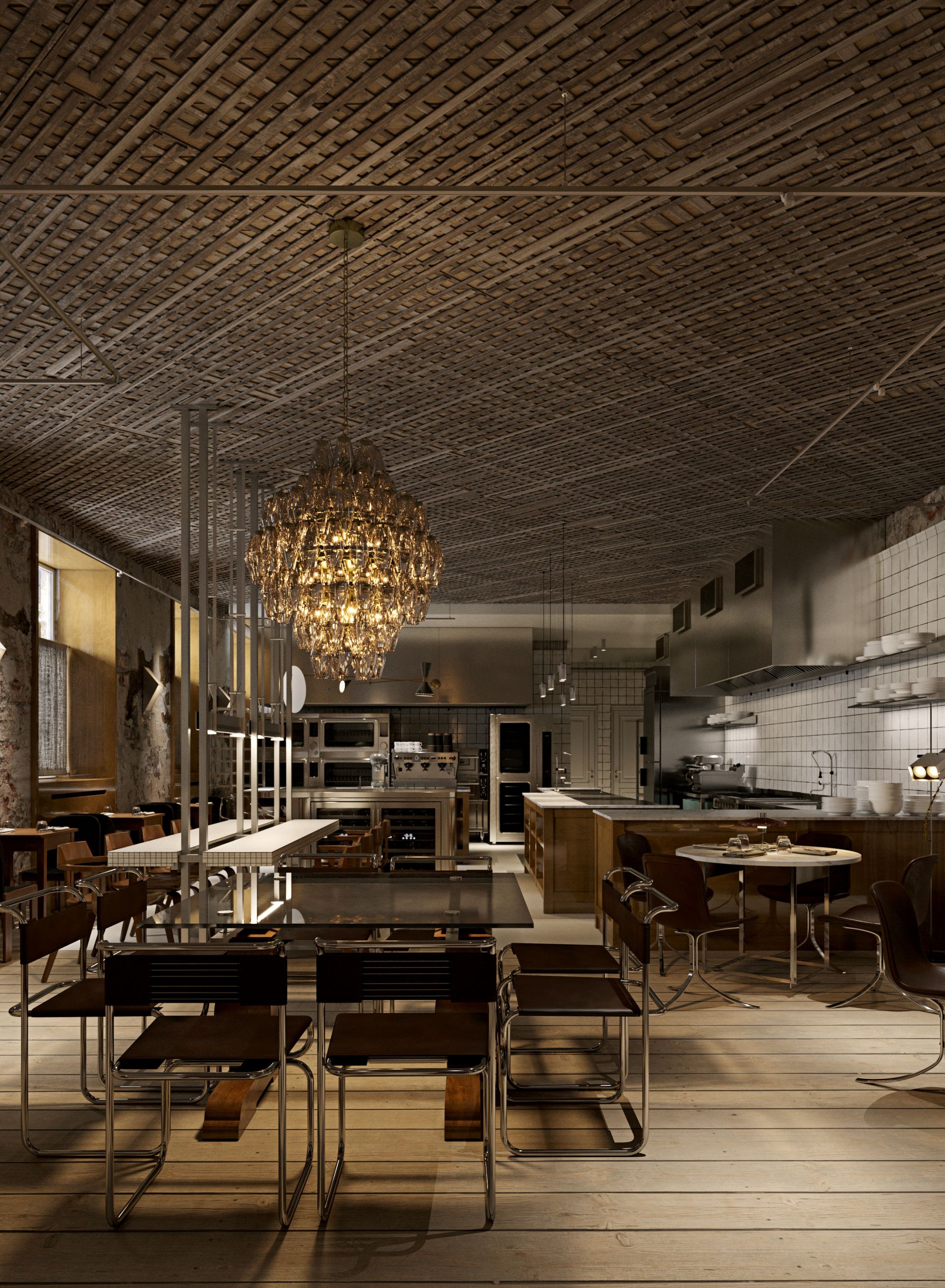
The project masterfully utilizes every level, building a clear and convenient functional structure that is organically integrated into the local topography. The lower ground floor immerses guests in a world of relaxation, housing a compact yet fully-equipped spa complex with a swimming pool and sauna. The upper ground level is dedicated to logistics and services, featuring convenient underground parking—with access directly from the street thanks to the natural slope—as well as the modern kitchen that serves the restaurant above.
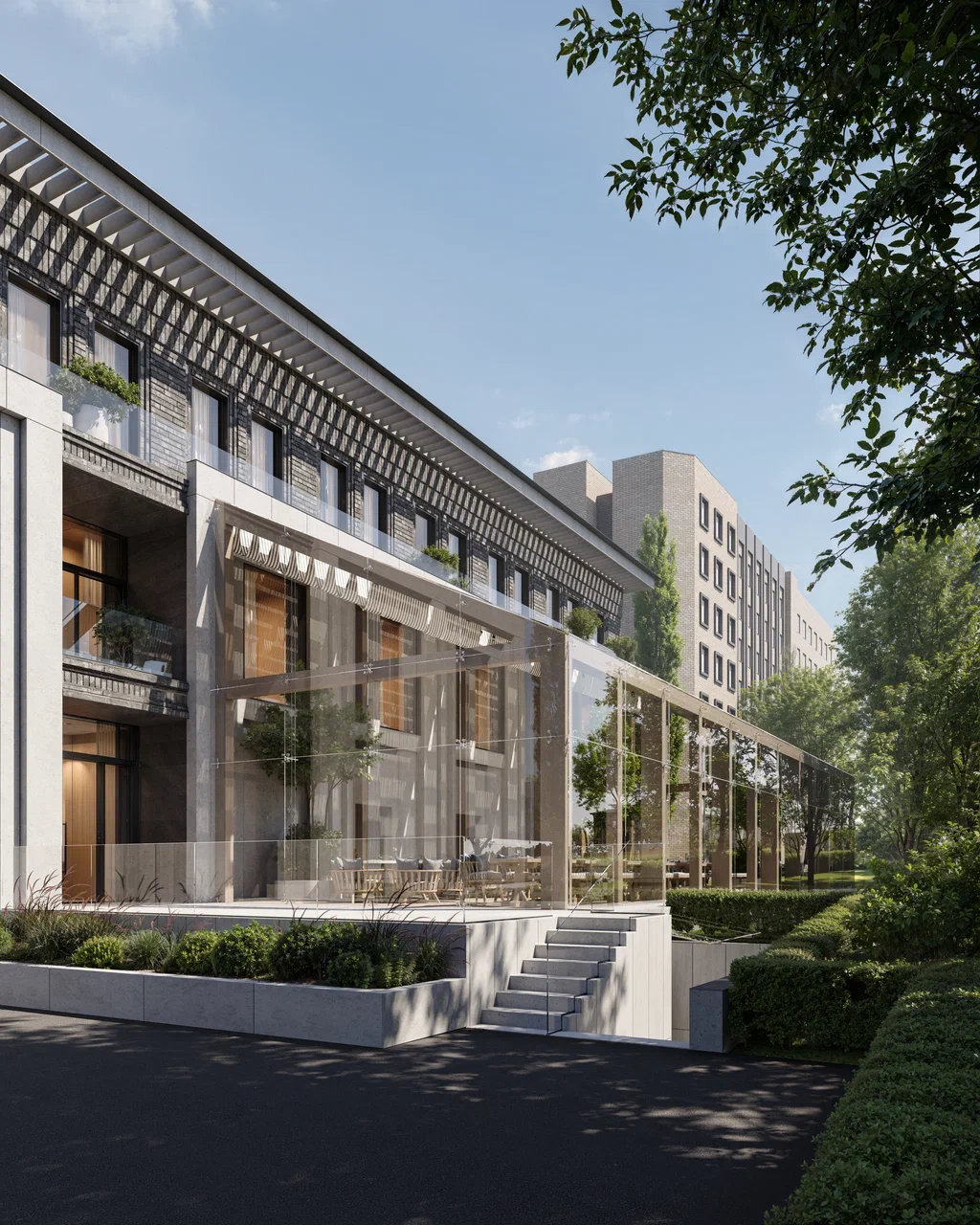
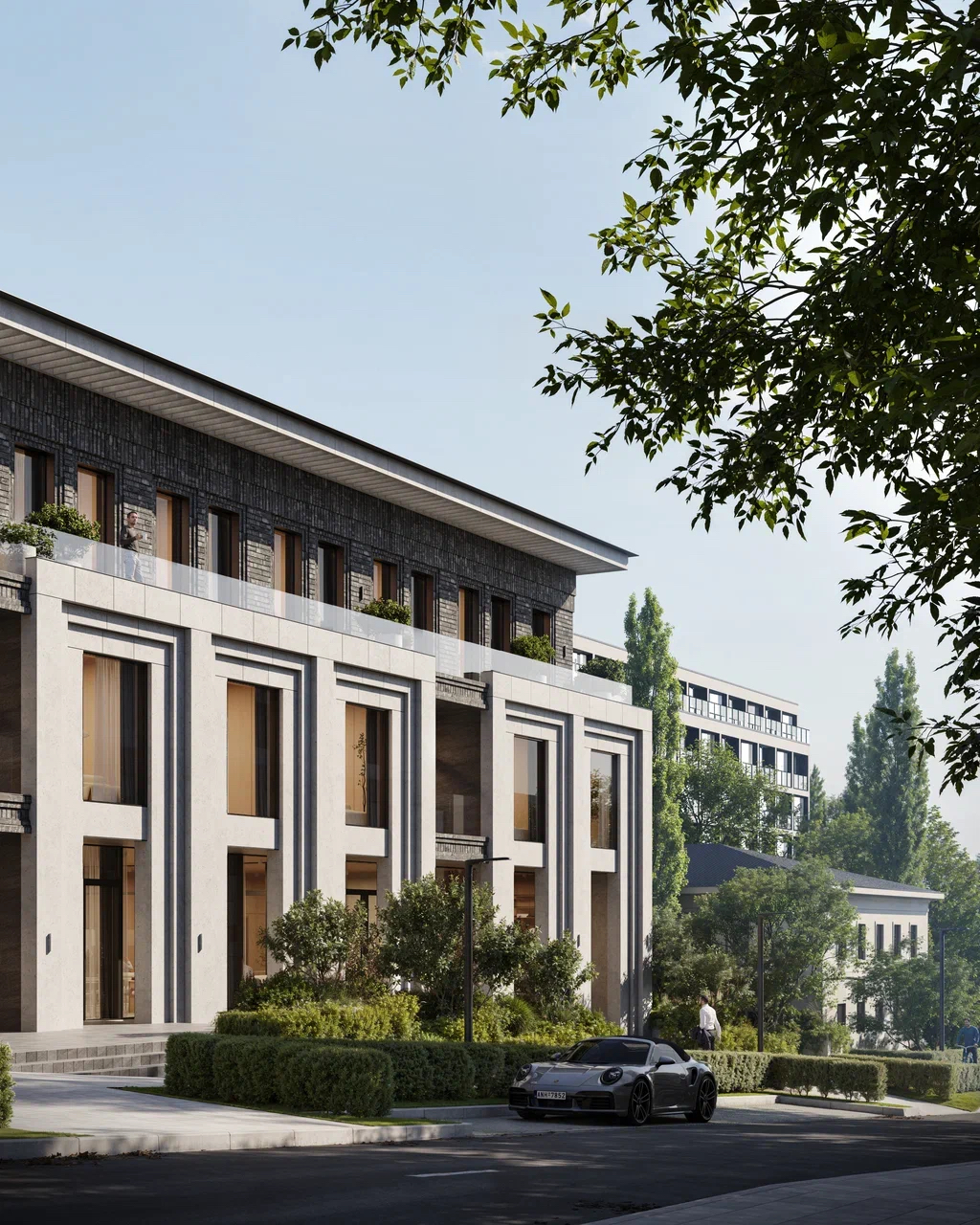
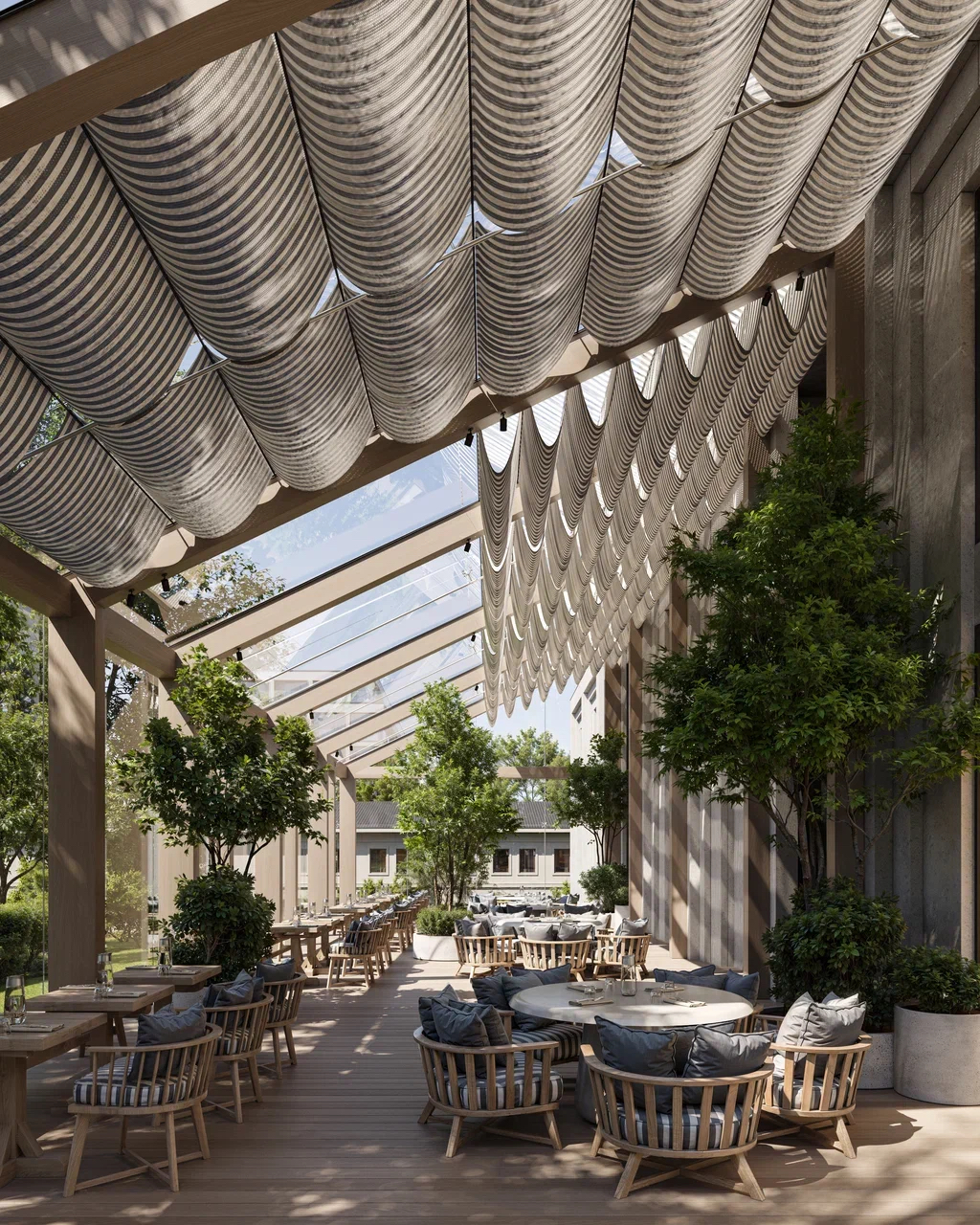
The ground floor is a public space, open to both hotel guests and citizens. Here, a restaurant with a warm atmosphere and panoramic glazing welcomes visitors. On the courtyard side, an elegant glass-enclosed terrace blurs the boundary between the interior and the tranquil courtyard. The second and third floors are dedicated to modern, functional, and light-filled hotel rooms. Staff areas and service rooms are meticulously planned and isolated to ensure impeccable service.
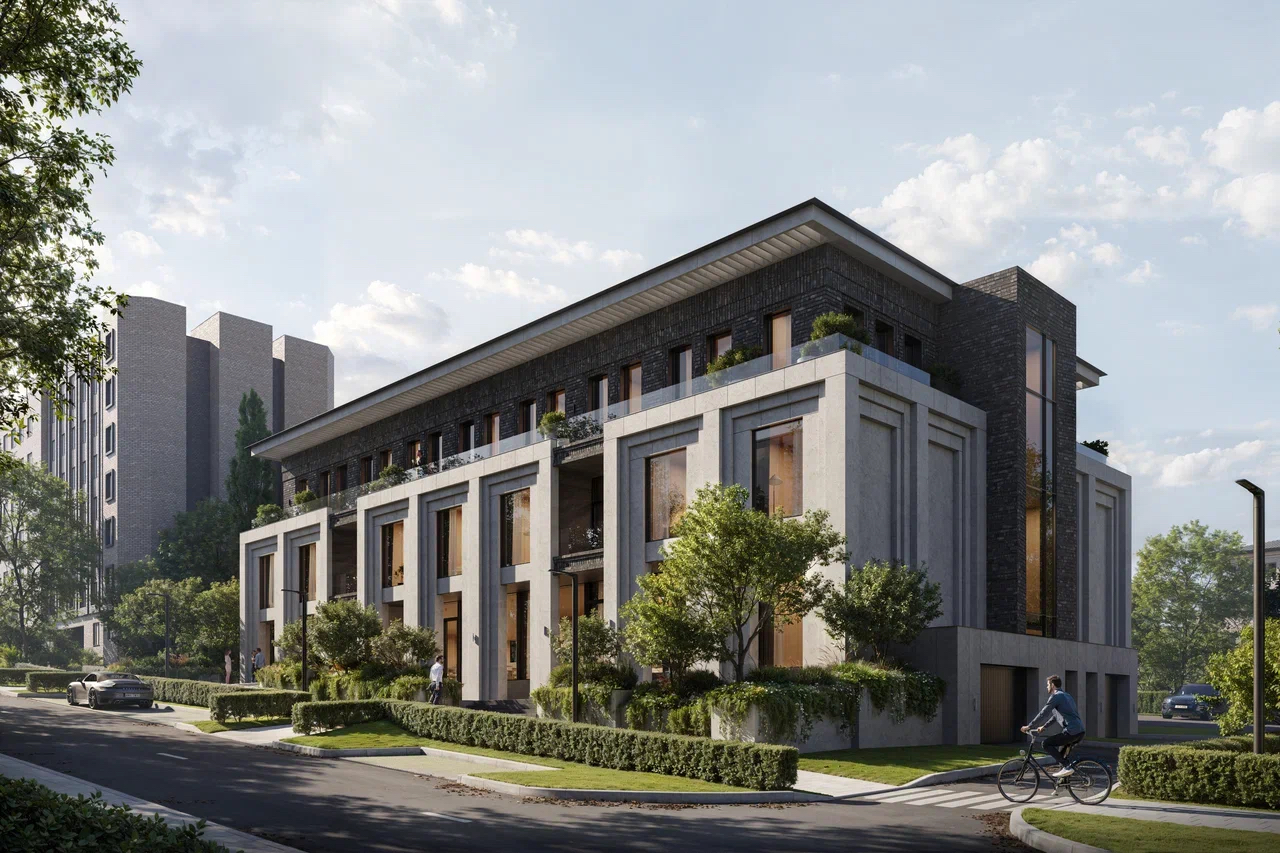
The landscaping harmoniously addresses several tasks at once. All necessary areas are provided for short-term parking, smooth access, and unloading, separating guest and service traffic flows. Most importantly, the greenery acts as a vital buffer, softly and naturally separating the new building from the adjacent historic structures, creating a transitional, breathing zone.
This project is an example of how contemporary architecture can engage in a respectful dialogue with the historic environment instead of confronting it. It harmoniously integrates into its context while offering new qualities: comfort, functionality, and a quiet yet expressive artistic gesture.